All Categories
Featured
Table of Contents
Asking rents gained ground, with quarterly growth turning favorable, an appealing sign of stabilization. Leas have diverged by class, with Class A posting year-over-year rent growth for 5 successive quarters and completing the first quarter with a 3.2% yearly increase. Class B leas have actually begun to get traction, posting their first year-over-year increase because 2023, while Class C leas have continued to sneak lower.Multifamily transaction activity in Dallas-Fort Worth carried its late-2025 momentum into the very first quarter of 2026. Irving completed the leading cities within the Metroplex with 4 deals. The composition of activity moved meaningfully, with mid-rise and high-rise properties representing 35%of offers, up from simply 18% a year earlier, showing growing investor appetite for bigger, more recent urban properties. The mean sale price among transactions with available pricing reached$175,300 per system, while cap rates averaged around 5.25%, compressing a little from one year earlier. Deliveries are anticipated to reach their least expensive level considering that 2022, and this meaningful pullback in brand-new supply, combined with stable tenant demand, is projected to press job down by approximately 30 basis points by year-end. Following a duration of below-trend development in 2025, the local labor market is forecast to construct on momentum, with approximately 50,000 tasks predicted to be included, a 1.2 %boost. Allen/McKinney, Frisco, and The Colony/Far North Carrollton together account for around one-third of all expected 2026 deliveries, while first-quarter absorption surpassed new supply throughout all 3 submarkets, highlighting the depth of demand in the area's fastest-growing corridors. If first-quarter patterns persist, Dallas-Fort Worth is on track for another active year in multifamily investment. That surge included an increased concentration of mid-rise and high-rise properties, amongst them three 2024-vintage rural homes. If that momentum carries into the second quarter, full-year volume might satisfy or decently exceed 2025's deal count. The shift towards mid-rise and high-rise product is also one to watch: if the 35 %share holds or grows, it would represent a structural change in transaction structure rather than a one-quarter anomaly, showing sustained hunger for larger, newer possessions. For a more complete analysis of the supply, demand, vacancy, lease and financial investment patterns in the Dallas-Fort Worth multifamily market, download and check out the complete report below. The Northmarq Dallas office offers a broad variety of business real estate services throughout financial obligation, equity and financial investment sales. Engage with our Dallas-Fort Worth group today.
Austin storage costs show the city's rapid development and diverse areas, with expenses varying based on distance to downtown, regional demand, and center amenities. Small systems suitable for closet overflow or seasonal items start as low as $29 month-to-month in suburban locations, while premium downtown centers may charge $75 for the very same space.
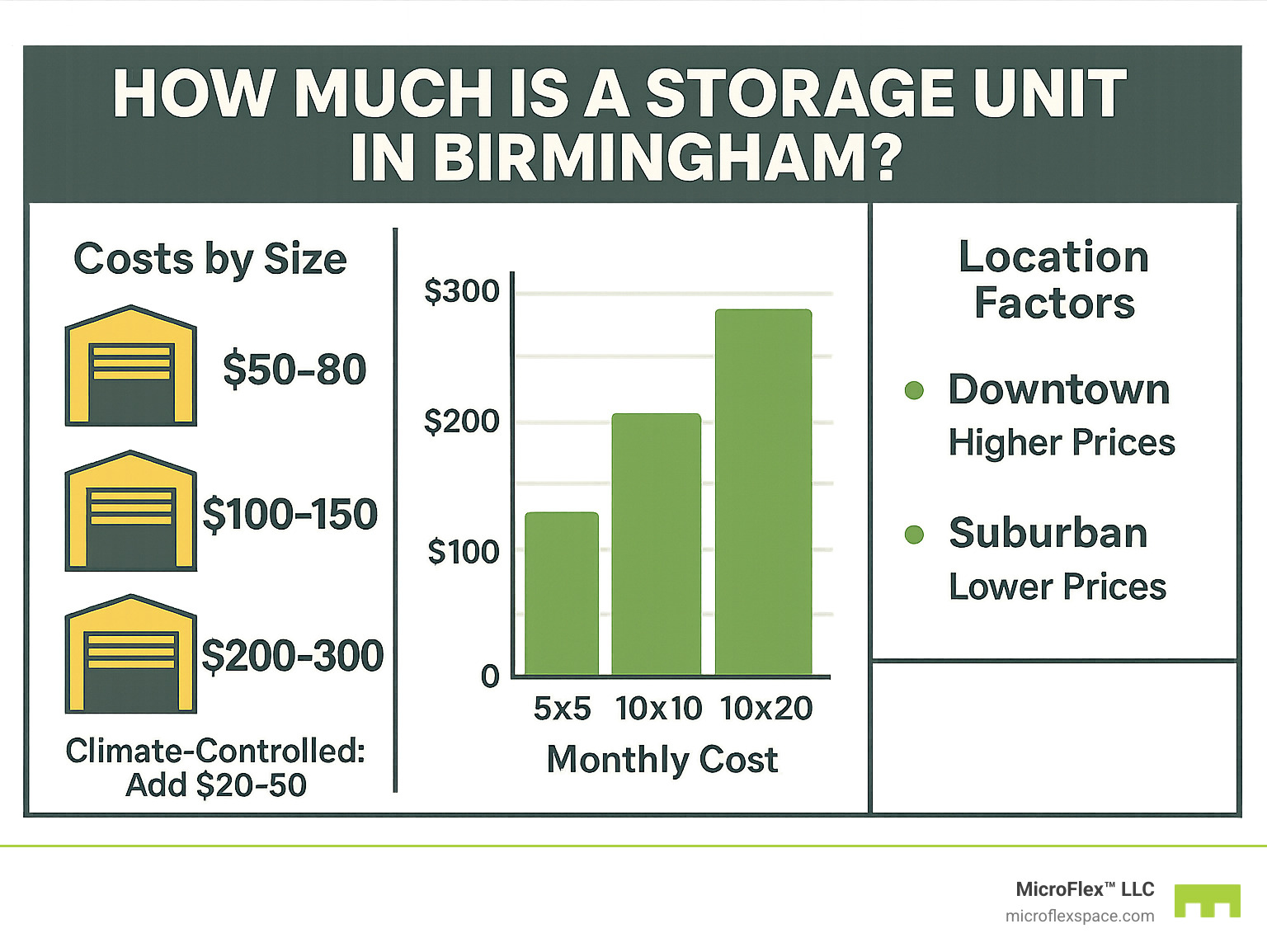
The most popular unit sizes in Austin range from 5x10 to 10x20, with costs spanning from $55 to $329 monthly depending upon area and functions. Climate-controlled units command premium prices but prove vital for securing belongings from Texas heat and humidity. Ground-level drive-up units use benefit at moderate rates, while upper-floor interior units often offer the best value for budget-conscious tenants.
Ways to Settle Into a New NeighborhoodCentral Austin areas near downtown and the University of Texas command premium prices due to high need and minimal schedule. These urban facilities serve apartment dwellers and trainees who pay additional for proximity. Conversely, suburban places in areas like Pflugerville, Georgetown, and Dripping Springs offer more competitive rates with the compromise of longer driving time.
Top Tips On Local Residential Relocation in 2026
The Dripping Springs location provides some of the most competitive rates due to readily available land and lower home expenses, while centers closer to Austin's core charge more showing greater functional expenses. Smart storage buyers often find that driving an extra 10-15 minutes to suburban centers saves $20-50 monthly without compromising quality or security.
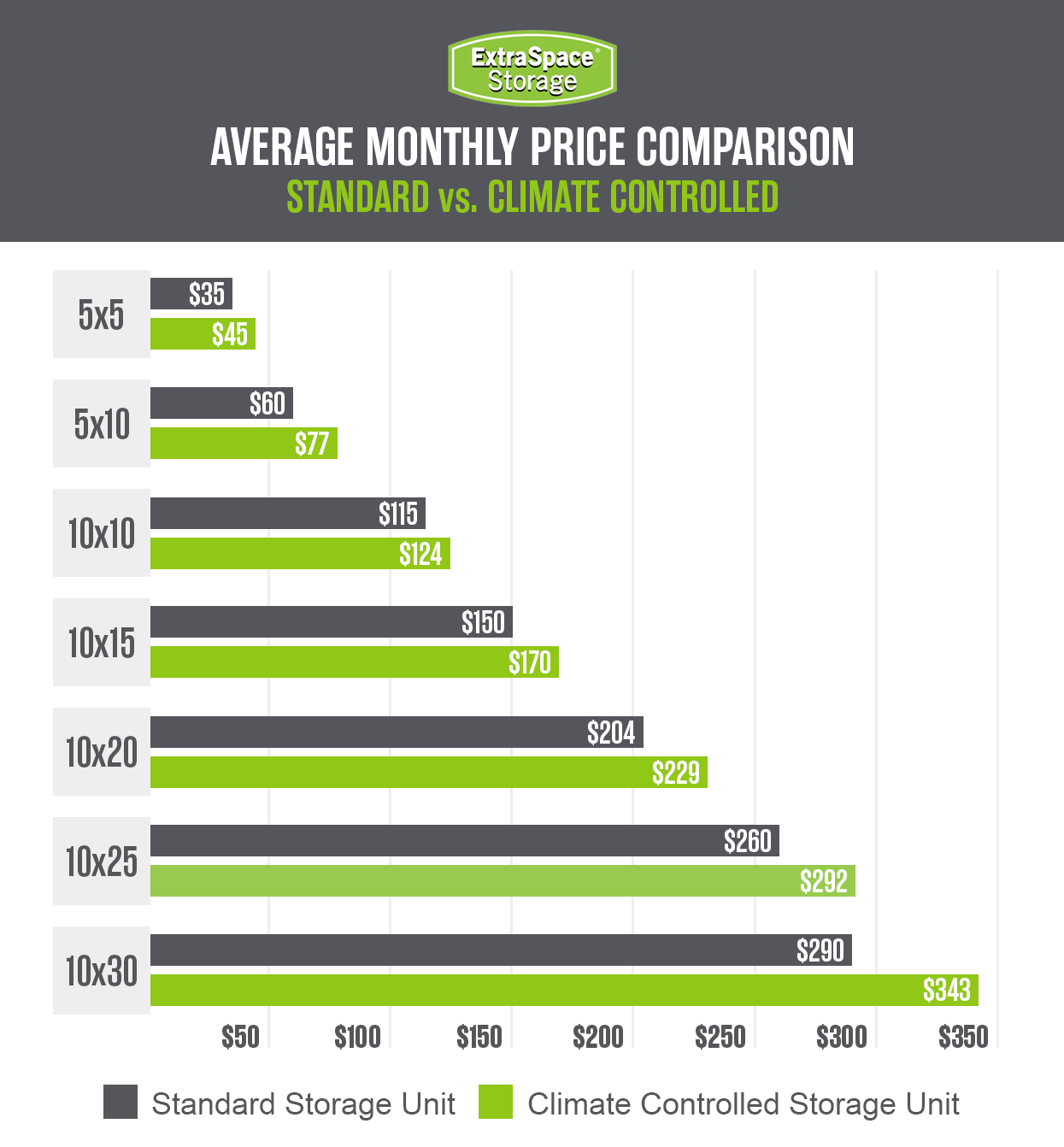
South Austin centers near significant roads like I-35 and Highway 290 balance availability with sensible rates, making them popular choices for value-conscious occupants seeking practical Austin self storage access. Climate-controlled storage in Austin generally includes 20-30% to base storage prices, translating to $15-50 monthly depending on unit size. This premium purchases security from temperature level extremes that regularly surpass 100F in summer season and humidity levels that cultivate mold and mildew growth.
Austin storage rates show the city's fast growth and diverse communities, with costs varying based upon distance to downtown, local demand, and facility amenities. Little systems suitable for closet overflow or seasonal products begin as low as $29 monthly in rural areas, while premium downtown facilities may charge $75 for the exact same space.
The most popular unit sizes in Austin variety from 5x10 to 10x20, with prices spanning from $55 to $329 monthly depending on place and functions. Climate-controlled units command premium prices but prove necessary for protecting valuables from Texas heat and humidity. Ground-level drive-up systems use benefit at moderate costs, while upper-floor interior units typically offer the finest value for budget-conscious tenants.
Central Austin areas near downtown and the University of Texas command premium costs due to high demand and limited schedule. These urban centers serve apartment residents and trainees who pay extra for distance. On the other hand, suburban areas in areas like Pflugerville, Georgetown, and Dripping Springs offer more competitive rates with the trade-off of longer drive times.
What Will Storage Rates Look in 2026?
The Dripping Springs area offers some of the most competitive rates due to offered land and lower home expenses, while facilities closer to Austin's core charge more reflecting greater operational expenditures. Smart storage shoppers typically find that driving an additional 10-15 minutes to rural centers saves $20-50 monthly without sacrificing quality or security.
South Austin facilities near major roads like I-35 and Highway 290 balance ease of access with sensible rates, making them popular choices for value-conscious tenants seeking convenient Austin self storage gain access to. Climate-controlled storage in Austin typically adds 20-30% to base storage rates, translating to $15-50 month-to-month depending upon system size. This premium purchases security from temperature level extremes that routinely go beyond 100F in summer season and humidity levels that cultivate mold and mildew growth.

Latest Posts
Navigating Apartments for Rent 2026
A Complete Relocation Home Checklist
Smart Steps for Residential Moving and Relocation